
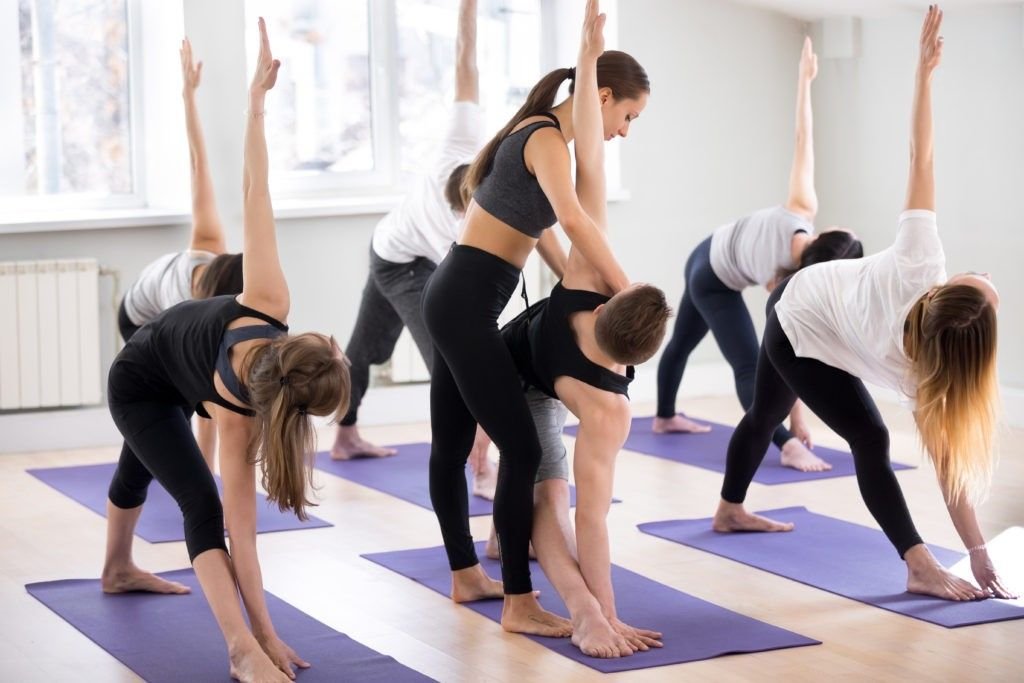
“A certified yoga instructor” is a common question for those who feel deeply connected to yoga and wish to turn their passion into a meaningful profession. Teaching yoga is not just about mastering postures; it is about understanding the philosophy, anatomy, breath control, and the art of guiding others toward physical and mental well-being. Becoming certified opens doors to teaching opportunities worldwide and helps build credibility as a professional teacher.
The first step is developing a consistent personal practice. Regular practice allows you to become familiar with postures, breathing techniques, and meditation. This phase helps you build physical strength, mental focus, and self-awareness, all of which are essential qualities for a yoga teacher. Spending time learning from experienced instructors and attending different classes can also help you understand various teaching styles.
Understanding the Role of a Yoga Teacher

The role of a yoga teacher goes far beyond demonstrating physical postures. A certified yoga instructor acts as a guide who supports students in developing strength, flexibility, balance, and inner awareness. By creating a safe and welcoming environment, the teacher helps students feel comfortable exploring their practice at their own pace. This role requires patience, empathy, and a deep understanding of how different bodies and minds respond to yoga. A yoga teacher is also responsible for ensuring safe practice. This includes teaching proper alignment, offering modifications, and being attentive to individual limitations or injuries. Knowledge of anatomy and body mechanics allows the teacher to prevent strain and encourage healthy movement. Clear verbal cues and mindful sequencing help students move confidently and safely through each session.
Beyond the physical aspect, a yoga teacher inspires mindfulness and emotional well-being. Through breath awareness, relaxation, and meditation, the teacher encourages students to connect with the present moment and manage stress. By sharing the principles of yoga philosophy in simple and practical ways, the teacher helps students integrate balance, discipline, and calmness into daily life. Ultimately, the role of a yoga teacher is to empower students rather than instruct them rigidly. A good teacher encourages self-awareness, builds confidence, and supports personal growth. By leading with authenticity and compassion, a yoga teacher creates meaningful experiences that positively impact students both on and off the mat.
Choosing the Right Training Program
Selecting a well-structured teacher training program is a crucial step in this journey. A quality program provides comprehensive education in posture alignment, sequencing, philosophy, anatomy, and teaching methodology. It prepares students to teach safely and confidently in real class environments.
A good training program also emphasizes practical teaching experience. Through guided teaching sessions, students learn how to communicate clearly, manage classes, and adapt practices for different skill levels. This balanced approach ensures both theoretical knowledge and hands-on experience.
Learning Yoga Philosophy and Anatomy
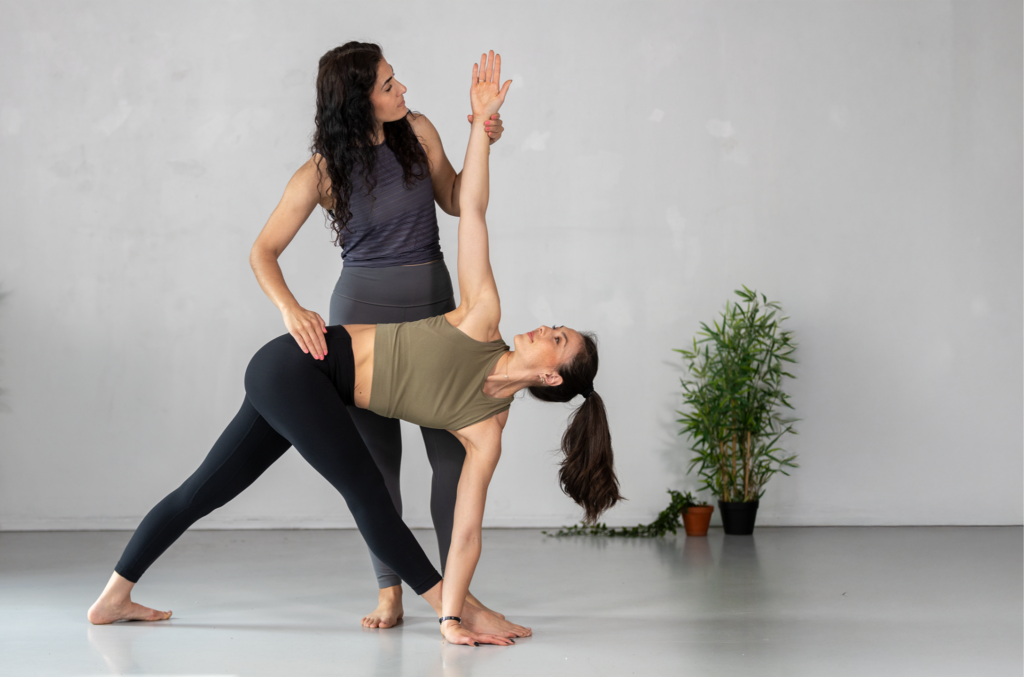
Yoga philosophy explains the deeper purpose behind the practice and encourages mindful living. Understanding these teachings allows instructors to share yoga as a holistic experience rather than just physical exercise. This knowledge helps create meaningful and inspiring classes. Anatomy education supports safe practice by explaining how the body moves and responds to postures. It enables teachers to offer modifications and prevent injuries. Together, philosophy and anatomy strengthen both teaching quality and student trust.
Understanding the philosophical roots of yoga helps teachers convey its deeper meaning to students. Concepts such as mindfulness, discipline, and self-awareness form the heart of yoga teachings. Alongside philosophy, learning basic anatomy is crucial to ensure safe practice. Knowledge of muscles, joints, and body mechanics helps prevent injuries and allows teachers to offer appropriate guidance for different body types.
Tips
- Study basic body mechanics
- Learn traditional yoga concepts
- Apply knowledge practically in class
How a Certified Yoga Instructor Develops Teaching Excellence
Effective teaching requires clear communication, patience, and empathy. During training, instructors learn how to cue poses, adjust students safely, and manage group classes. These skills help create a welcoming environment where students feel comfortable and supported. Over time, teaching practice refines confidence and helps develop a personal teaching style that connects with students.
Completing Certification and Registration
After finishing the required training hours, students must complete assessments that may include written exams, practical teaching demonstrations, and attendance requirements. Successful completion leads to certification, which validates your skills and knowledge. Many teachers also choose to register with professional yoga organizations to gain recognition and enhance career opportunities.
Gaining Practical Teaching Experience
Practical experience is essential for growth as a teacher. New instructors often begin by assisting senior teachers, offering free classes, or teaching small groups. This stage helps build confidence, refine teaching techniques, and understand student needs. Experience also helps instructors receive feedback and improve their approach over time.
Building a Career as a Certified Yoga Instructor
Once certified, instructors can explore various career paths such as studio teaching, private sessions, online classes, corporate wellness programs, or retreats. Consistent practice, continued learning, and personal growth help sustain a successful career. Building strong relationships with students and maintaining authenticity play a major role in long-term success.
Why Professional Training Is Important

Formal training provides structured knowledge that cannot be gained through self-practice alone. It teaches posture alignment, anatomy basics, sequencing, and philosophy, all of which are essential for safe and effective teaching. Training also introduces ethical responsibilities and the role of a teacher in guiding students.
Beyond technical skills, professional training helps develop communication and leadership abilities. Teaching practice during training builds confidence and prepares you to handle diverse student needs. This learning phase shapes you into a responsible and informed instructor.
Tips
- Choose a well-structured training program
- Learn both theory and practical skills
- Take teaching practice seriously
What to Do After You Become a Certified Yoga Instructor
After completing training, the focus shifts to gaining real-world experience. Teaching small groups, assisting senior instructors, or offering community classes helps strengthen practical skills. This stage is essential for applying what you have learned in training.
As experience grows, instructors can explore different teaching settings and formats. Continuous learning through workshops and self-practice keeps skills updated and teaching fresh. Long-term success comes from consistency and dedication.
Tips
- Start with small or guided classes
- Continue learning and practicing
- Build connections with students
Conclusion: Start Your Teaching Journey with Confidence
Becoming a certified yoga instructor is a transformative journey that combines learning, self-discovery, and service to others. With dedication, proper training, and a genuine passion for yoga, you can create a fulfilling career that positively impacts lives. Taking the first step today can lead to a rewarding path of growth, balance, and purpose.